











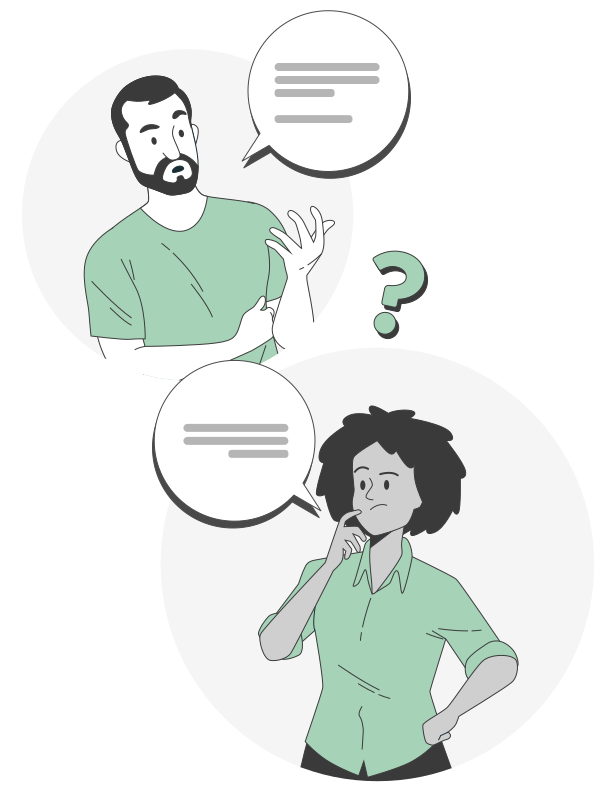
It’s very common to wonder about this. Autism and social anxiety can look similar on the surface, but they are fundamentally different experiences.
Both autistic people and people with social anxiety may:
Feel uncomfortable or overwhelmed in social situations
Find social interaction draining or challenging
Need time to warm up socially
Avoid certain social situations
The key difference is the reason behind these experiences.
Autism is a neurodevelopmental difference (a form of neurodivergence). It reflects natural variation in how the brain processes information, communicates, experiences sensory input, and relates to others. Autism is present from childhood, even if it isn’t recognised until later in life.
Social anxiety, by contrast, is a mental health condition. It centres on an intense fear of being judged, embarrassed, humiliated, or rejected in social situations. Social anxiety often develops later in life, commonly following negative or subjectively traumatic social experiences.
People with social anxiety usually:
Understand social rules and cues but fear getting them wrong
Experience strong self-criticism and fear of negative evaluation
Notice physical anxiety symptoms (e.g. blushing, shaking, sweating)
It’s also possible to be both autistic and socially anxious. Anxiety can be a natural response to navigating a world that isn’t designed for neurodivergent brains, particularly where there are sensory, communication, or social-expectation differences.
If you’d like more clarity, a good first step is to talk with:
Your GP
A counsellor
A psychologist
They can help you explore your experiences in more depth and guide you towards appropriate next steps.
There are also reputable self-education resources that many people find helpful:
For autism: embrace-autism.com — the world’s most visited autism resource, designed by the autistic community and widely trusted by healthcare professionals.
For social anxiety: You can begin the screening process here on our website.
Understanding what’s really going on can be relieving and empowering. Whichever fits best, support is available—and you don’t need to figure it out alone.